
.jpg)
If your cat needs surgery, you may have many questions and concerns. Nobody wants their cat to need a surgical procedure, and we understand that the thought of surgery and anesthesia can be frightening. Our goal is to help you understand the process, know what to expect, and feel supported every step of the way.
At North Powers Animal Hospital, our experienced veterinarians and highly trained patient care team are dedicated to providing the best possible care for your cat and helping ensure the best possible surgical outcome. In this article, we'll discuss what you need to know before your cat has surgery, pre-surgical lab work, the types of surgeries we perform, how your cat's safety is monitored during anesthesia, the recovery process, and what you can do to help your cat heal at home.
What Do I Need to Know Before My Cat Has Surgery?
It's important to understand why surgery has been recommended for your cat. In some cases, surgery is necessary because of an emergency or life-threatening medical condition, such as a urinary blockage, intestinal blockage, or foreign body. Other procedures are elective, giving us more time for planning and preparation before surgery.
Before your cat's procedure, we will discuss the available options for optimizing their recovery, create an individualized treatment and recovery plan, and make sure appropriate pain management is in place.
Being properly prepared for surgery is an important part of keeping your cat safe. You may receive specific instructions about when to withhold food and water before anesthesia, and you should follow these instructions carefully. Keeping your cat clean and maintaining good hygiene before surgery can also help support their recovery.
Most importantly, prepare a safe recovery area for your cat at home. Cats are natural athletes and may be tempted to jump, climb, run, or play even when they should be resting. A quiet, comfortable area where your cat can be monitored and protected from excessive activity can help prevent complications during recovery.
Be sure to tell your veterinarian about any medications or supplements your cat has received within the 24 hours before surgery. For elective procedures, we also recommend that your cat be current on their age-appropriate vaccinations whenever possible.
Will My Cat Need Lab Work Before Surgery?
Pre-anesthetic lab work is an important part of determining the safest anesthesia and treatment plan for your cat. This is especially important for emergency patients and cats undergoing surgery because of illness or specific medical conditions, such as cancer.
Early identification of abnormalities can help us anticipate potential complications and make appropriate adjustments to your cat's anesthesia, medications, fluid therapy, and pain management plan.
Lab testing is highly recommended for all cats undergoing elective procedures, including spays, neuters, and dental procedures. It is required for cats undergoing emergency surgery and for cats over six years of age.
Depending on your cat's age, health, and procedure, recommended testing may include a complete blood count (CBC) and blood chemistry panel. These tests provide important information about your cat's red and white blood cells, platelets, blood sugar, proteins, electrolytes, and organ function, including the liver and kidneys.
Choosing to decline recommended pre-anesthetic lab work to reduce costs can potentially compromise your cat's safety. Even cats that appear healthy can have underlying conditions that are not obvious from a physical examination alone. Identifying these problems before anesthesia allows us to make the safest possible plan for your cat.
What Types of Surgery Are Performed on Cats?
Our veterinarians perform a wide range of surgical procedures for cats, from routine elective procedures to more complex surgeries.
Common procedures include spays, neuters, and dental procedures, while more complex cases may include urinary tract surgery, removal of intestinal blockages or foreign bodies, tumor/cancer removal, and, when medically necessary, amputations.
Our veterinary team will discuss your cat's specific condition, surgical options, expected outcome, and recovery needs with you before the procedure.
What Will My Veterinarian Be Looking for in Pre-Surgical Lab Work?
Pre-surgical blood work allows your veterinarian to evaluate several important aspects of your cat's health before anesthesia.
A complete blood count (CBC) evaluates red blood cells, white blood cells, and platelets. Red blood cell measurements can help identify anemia, which can occur with certain chronic, inflammatory, infectious, or other diseases. White blood cell changes can provide information about infection, inflammation, or other immune system concerns. Platelet measurements provide important information related to your cat's ability to form blood clots.
A blood chemistry panel evaluates substances in the blood that provide information about organ function and overall health. This includes the liver and kidneys, which are important in processing and eliminating many medications used during anesthesia and pain management. Chemistry testing can also evaluate blood sugar, protein levels, electrolytes, and other important parameters.
Additional testing may be recommended based on your cat's age, medical history, physical examination, or the type of surgery being performed.
If abnormalities are identified, we can make adjustments to your cat's treatment and anesthesia plan before surgery or determine whether additional testing is needed. This helps us provide the safest possible care for your cat.
Who Will Be Monitoring My Cat While They Are Under Anesthesia?
The safety of your cat during surgery is our highest priority. A team of veterinary professionals works together to keep your cat safe and comfortable throughout anesthesia and surgery.
Before anesthesia, your patient care team reviews your cat's medical history, including known health conditions, previous anesthetic or surgical experiences, current medications, and other information that may affect their care.
During anesthesia, your cat's heart rate and rhythm, breathing, body temperature, oxygen levels, blood pressure, and other vital parameters are monitored closely by the veterinary care team. Your cat's comfort and vital signs continue to be monitored during the recovery period after surgery.
North Powers Animal Hospital takes anesthesia safety seriously. Our patient care staff receive yearly training in anesthesia and CPR, and our registered veterinary technicians and veterinarians participate in continuing education to stay current with advances in veterinary medicine and anesthesia safety.
How Long Will My Cat Need to Recover After Surgery?
Recovery time varies significantly between cats and depends on the type of surgery performed, your cat's overall health and age, and the condition being treated.
Many soft-tissue surgeries and dental procedures with extractions require approximately two to three weeks for initial recovery. Orthopedic procedures and other complex surgeries may require a much longer recovery period, with activity restrictions and rehabilitation occurring in stages over several months.
Your veterinarian will provide specific recovery instructions based on your cat's procedure. Following these instructions carefully and monitoring your cat's progress are important parts of achieving a successful recovery.
We are here to support you throughout the entire process. If you have questions or concerns during your cat's recovery, please contact our team.
How Can I Help My Cat Recover at Home After Surgery?
Your cat's recovery at home is an important part of their surgical care. Once you bring your cat home, carefully follow all recommendations regarding medications, wound care, feeding, and activity restrictions.
Provide your cat with a quiet, warm, comfortable space where they can rest without being disturbed. Make sure fresh drinking water is available and that food is easily accessible. Depending on the procedure, your cat may benefit from a low-sided litter box that allows them to enter and exit without having to jump or climb.
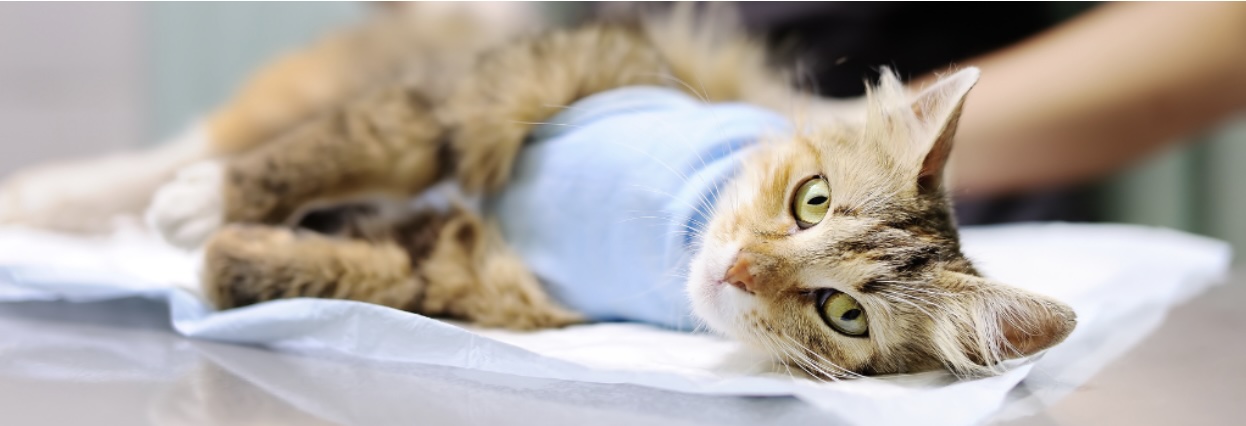
Keep surgical incisions clean and dry, and use an e-collar or recovery suit if recommended. Prevent your cat from licking or chewing at their incision, even if they seem determined to remove their protective device!
Cats may feel well enough to run, jump, climb, or play before their body is ready. Follow your veterinarian's activity restrictions carefully, even if your cat seems completely back to normal.
If possible, keep your recovering cat separated from other pets and young children. This can prevent accidental rough play, chasing, or pressure on the surgical site.
Monitor your cat closely for changes in appetite, behavior, comfort, urination, bowel movements, or the appearance of their incision. Contact your veterinary team if you notice concerning changes or are unsure whether something is normal.
Follow-up examinations are an important part of the recovery process and allow your veterinarian to monitor healing and address complications as early as possible.
What Can I Expect After My Cat's Surgery?
Every cat responds to surgery and anesthesia differently. Your cat may be sleepy or quieter than usual for the first day or so after anesthesia, but they should gradually return toward their normal behavior as they recover.
Before your cat goes home, our team will review their medications, feeding instructions, activity restrictions, incision care, and any other specific recommendations for their procedure.
Our goal is not simply to get your cat through surgery—it is to help them recover safely, comfortably, and successfully. With appropriate preparation, careful monitoring, effective pain management, and attentive home care, you can play an important role in helping your cat get back to feeling like themselves again.
If your cat needs surgery, our team is here to answer your questions, help you understand your options, and guide you through every step of the process.
At North Powers Animal Hospital, your pet is our priority. If you have any questions, don't hesitate to call our team at (719) 212-1857, or you can email us at [email protected]. Our staff would love to talk with you!