 Preventive care is an important part of keeping your dog healthy and happy, adding years to their life and helping them avoid the discomfort that comes with preventable diseases. But what exactly is preventive care for dogs? In this article, we'll dive into this topic, including what your veterinarian needs to know about your dog before providing preventive care, the preventive care process, common diseases that can be prevented with preventive care, and everyday habits to keep your dog safe—which also fall under preventive care.
What is Considered Preventive Care for Dogs?
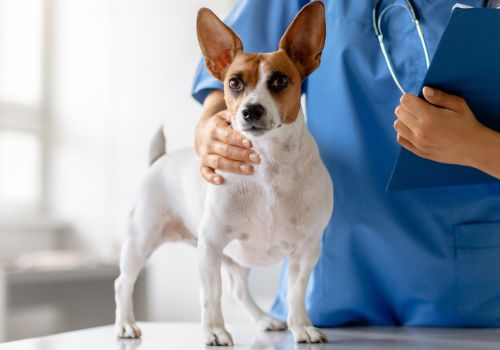
Preventive care for dogs is a set of preventive medical treatments and procedures that help identify potential health risks or illnesses early. It is tailored to your dog's lifestyle, life stage, and individual risk factors. Preventive care includes regular veterinarian check-ups, vaccinations, and may include diagnostic tests like bloodwork, x-rays, and ultrasounds. It also includes parasite prevention methods such as flea prevention, heartworm prevention, and tick control.
Preventive care can help keep your dog healthy by identifying any potential issues before they become more serious. It can also help you save money by helping to avoid expensive treatments for illnesses that could have been prevented.
What Information Does My Veterinarian Need to Know About My Dog's Lifestyle Before Providing Preventive Care Recommendations?
Your veterinarian will need to know certain information about your dog's lifestyle before making any preventive care recommendations. This includes your dog's age, breed, overall health, and health history. Your vet will also need to know if your dog is primarily an indoor or outdoor dog, if they are regularly exposed to other animals, and if they have been spayed or neutered. The more information you can provide to your vet, the better they will be able to tailor a preventive care plan specifically for your pet.
What Recommendations Will My Veterinarian Make When It Comes to My Dog's Preventive Care Plan?
A veterinarian will typically make the following recommendations when it comes to a dog's preventive care plan:
- History and Regular Check-ups: Your veterinarian will want a thorough understanding of your dog's history and lifestyle by asking specific questions about the dog's behavior, appetite, bowel movements, and more, to identify any changes or issues. It's recommended that even healthy dogs should be examined by a veterinarian at least once a year, preferably twice. For older dogs or dogs with medical problems, more frequent visits may be necessary.
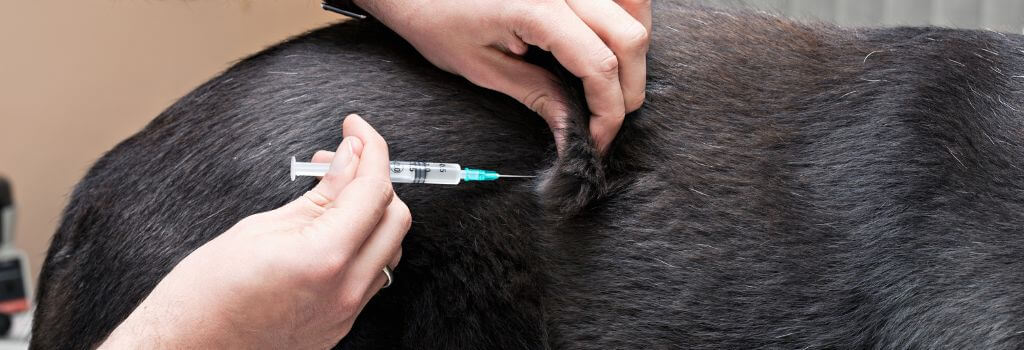
- Vaccinations: Depending on your dog's lifestyle and exposure, different vaccines might be required. For instance, outdoor dogs or hunting dogs might need a more comprehensive vaccination schedule due to the increased exposure to wildlife.
- Diet: Dogs with different lifestyles require different diets. Active and athletic dogs require a diet rich in proteins and fats, while less active dogs might need a different dietary plan. Your veterinarian will assess your dog's lifestyle and current diet to determine if any changes are needed for optimal health.
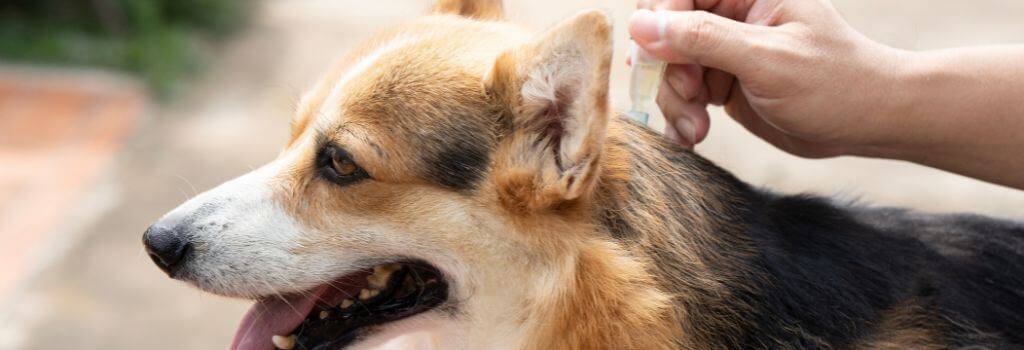
- Parasite Control and Medication: Regular use of heartworm preventatives, flea and tick control medications, and other necessary medications is part of most preventive care plans.
- Dental Care and Physical Examinations: Regular dental check-ups along with physical examinations are recommended to detect any abnormalities. This includes monitoring for everything from plaque buildup on the teeth to screening for oral cancer.
What is the Difference Between Insurance and a Wellness Plan?
Insurance and wellness plans are two different things, although they can both be used to help cover the costs of veterinary care.
Insurance is designed to help cover the costs of medical treatments and procedures for your pet that are considered unexpected or unplanned. This might include things like surgeries, hospitalizations, specialist care, cancer therapies, or other treatments that may not have been anticipated. While insurance is often thought of when talking about emergency care, it is important to remember that many insurance plans cover costs for chronic conditions like allergies and arthritis treatments as well.
A wellness plan, on the other hand, is designed to help you cover the costs of preventive care treatments and procedures such as regular check-ups, vaccinations, dental cleanings, with costs usually discounted and spread in smaller payments over the year, to make accessing care easier for pet parents. It's important to note that a wellness plan does not cover any unexpected medical treatments or procedures like insurance would; each plays their own part in ensuring your pet's overall well being.
How Can I Keep My Dog Safe While in a Car?
Preventive care extends to everyday tasks and routines that involve your dog to ensure they remain safe and healthy—including keeping them safe while in a car. Several companies now make a high-quality safety harness where you can strap your dog in either through the latch system in the car or through a seatbelt. If that's not a good option for your dog, there are also crates that you can secure to the inside trunk of an SUV so that your dog is safely secured in the crate. A suitable harness or kennel should be used, proper identification should be worn by your dog, and you should always have essential supplies in your car, such as water, food, and waste bags.
If your dog is anxious or car sick on car rides, you can talk to your veterinarian about ways to reduce your pet's stress during travel, including to the vet's office. We have options for anti-nausea medications, anti-anxiety treatments, and even training tools to help reduce stress during car rides.
In addition, never leave your dog alone in the car, even with windows cracked open for ventilation. Pets can suffer from heat stroke or other illnesses due to the rapid increase in temperature inside a parked vehicle.
What are the Most Common Dog Health Conditions that Can Be Prevented with a Good Wellness Plan?
A wellness plan is designed to identify illnesses or conditions in pets in their earliest stages. Our goal is to ensure that your pet stays healthy, happy, and active for many years to come. This includes screening for common health conditions in dogs, particularly as they age, to find problems in their earliest stages, when intervention is most likely to be successful.
Obesity is one of the most common health issues in dogs. Regular vet check-ups can detect any increases in a dog's weight, and necessary dietary changes can be implemented promptly. Skin issues in dogs can lead to discomfort and health complications if not identified and addressed. Allergies, parasites, and skin infections can also lead to skin problems. Regular vet visits can help identify and treat these issues early. Ear infections in dogs can be painful and cause serious damage if untreated. Regular check-ups can help identify signs of infection early, leading to timely treatment. Arthritis can start early, with 20% of dogs having signs of arthritis by the age of 1 year. Other breed specific conditions, such as Boxer cardiomyopathy - a type of heart disease where scar tissue forms within the heart, are also screened for at annual wellness exams.
What Are the Benefits of Receiving Vaccinations at a Professional Veterinary Practice?
Vaccinating your pet at a professional veterinary practice can provide numerous health benefits. Here are some of the most important reasons why you should vaccinate through a local vet:
- Protection for Pets: Vaccines help stimulate your dog's immune system to identify and destroy disease-causing agents before they can cause illness, thereby preventing or reducing the severity of future diseases. Vaccines are especially crucial for young pets who have not yet developed immunity and senior pets who need an immune boost to stay healthy as they age. Certain vaccines are legally required in some regions, such as the rabies vaccine.
- Prevention of Zoonotic Diseases: Vaccines also help ward off zoonotic diseases like leptospirosis and rabies that can spread from animals to humans. This aspect is particularly important if there are immunocompromised individuals in the household, such as small children, the elderly, or those with chronic diseases.
- Protection for Other Pets: Many pet diseases are contagious. If your pet is vaccinated, it won't transmit any diseases to other pets, providing protection to the entire pet community.
- Cost Savings: Vaccination can help avoid costly treatments for preventable diseases. Moreover, regular vaccinations can prevent long periods of quarantine and expensive treatments if pets contract diseases.
- Legal and Institutional Requirements: Certain local and state laws require that household pets be vaccinated against specific diseases. Additionally, reputable pet boarding, daycare, grooming, and training services require vaccination against certain diseases to protect all participating animals.
- Professional Veterinary Practice: Professional veterinary practices provide comprehensive knowledge about which vaccines are necessary based on a pet's age, lifestyle, and geographical location. We will create a personalized vaccination schedule for each pet, accounting for core vaccinations and those based on lifestyle exposure risks to carefully balance safety and protection for your pet.
What Can I Do to Keep My House and Yard Pet Safe?
Keeping the house and yard pet-safe is a crucial aspect of pet ownership. It involves controlling the environment to prevent potential hazards to pets, ensuring they are safe and secure in their surroundings. Proper pet safety requires thoroughly pet-proofing your home and yard for your pet.
Indoor Pet Safety:
- Pet-Proofing the Home: Pet-proofing is similar to baby-proofing. It involves protecting your pet from things it could chew or swallow inside your home. Small objects present choking hazards to pets, so put away tiny items like sewing materials, jewelry, craft supplies, and game pieces. Keep cords out of your pet's reach by investing in chew-proof sheaths or multi-cord enclosures. Inspect the undersides of furniture for exposed nails, staples, or splinters, and attach guards to sharp corners if needed. American Humane Society offers tips for pet house-proofing.
- Secure Kitchen and Bathroom Cabinets: Both cats and dogs can be surprisingly adept at opening cabinet doors and drawers. Once your pet gains access to these areas, they could consume anything they find inside, including toxic cleaning products and medications. Use childproof locking mechanisms to keep these cabinets secured.
Outdoor Pet Safety:
- Nontoxic Landscaping Chemicals: Ensure the chemicals used in your yard are safe and non-toxic for your pets. Carefully research lawn chemicals and decide if the benefit outweighs the risk.
- Safe, Nontoxic Plants: Some plants can cause serious medical problems in pets. Lilies, especially Easter and Tiger lilies, can cause kidney failure in cats, even if they ingest just a small amount of the plant. Other dangerous plants include azaleas, daffodils, and tulips.
- Fences and Gates: Fences and gates are essential for keeping your pet safe in your yard. They prevent your pet from running into the road or getting lost, and they also keep other animals from entering.
What Pesticides are Harmful to My Dog?
Pesticides are commonly used to control pests such as insects, rodents, and weeds. However, they can be harmful to dogs if they are exposed to them. Dogs can be exposed to pesticides through inhalation, skin absorption, or ingestion. The risk of developing health problems depends on the amount and toxicity of the pesticide the pet is exposed to.
Organophosphates (acephate and malathion), carbamate (carbaryl), pyrethrin/pyrethroids, herbicides (Roundup, Rodeo, Spectracide), rodenticides (d-CON and Tomcat baits), nematicides (Garden Safe and Ortho), molluscicides (Garden Safe, Dr. Earth, Corry's), fungicides (BioAdvanced and Scotts), larvicides (Altoside and BioAdvanced), 2,4-Dichlorophenoxyacetic Acid (2,4-D) 4-Chloro-2-Methylphenoxypropionic Acid (MCPP), glyphosate, iron fertilizers containing insecticide/fungicide ingredients like Imidacloprid and tebuconazole can all be harmful to dogs when ingested.
To minimize the risk of harm to your pet, it is suggested to remove pets from any areas that you plan to treat with pesticides before applying or mixing the product. Also, remove pet toys, bedding, food, and water bowls from the area. Ensure all pesticides are securely stored where pets cannot access them.
Why Should I Keep My Dog on a Leash When in Public?
Keeping your dog on a leash in public is essential for many reasons, the most important being their safety and the safety of those around them. Off-leash dogs pose a health risk through infection or canine aggression. Leash laws ensure public comfort and safety, as not everyone is comfortable around dogs due to fear or past negative experiences. Dogs on leashes prevent unexpected encounters, making public spaces more enjoyable for everyone.
Conclusion
Preventive care is essential for keeping your pet healthy and happy for as long as possible. Good wellness plans are essential in preventing many common dog health conditions by ensuring regular veterinary care, including teeth cleaning and heartworm testing/prevention. If you live in or near Colorado Springs, CO, and are looking for quality pet care, come visit us at North Powers Animal Hospital where your pet is our priority. Contact us at (719) 212-1857 to set an appointment, or email us at [email protected]. Our staff would love to talk with you!