
.jpg) From vaccines to regular checkups, these proactive steps help catch problems early and support long-term wellness. At North Powers Animal Hospital in Colorado Springs, CO, we offer comprehensive preventive care tailored to your cat's needs.
From vaccines to regular checkups, these proactive steps help catch problems early and support long-term wellness. At North Powers Animal Hospital in Colorado Springs, CO, we offer comprehensive preventive care tailored to your cat's needs.
On this page, you'll learn what preventive care includes, why it matters, and how it helps reduce the risk of common illnesses. We'll also cover why self-diagnosing can be risky—and how consistent veterinary care is key to your cat's quality of life.
What is Cat Preventive Care?
Preventive care is about being proactive rather than waiting for your cat to become sick. Regular veterinary visits, vaccinations, parasite prevention, dental care, nutrition, weight management, and monitoring for changes at home all play a role in keeping your cat healthy. The goal isn't just to treat illness when it happens. Regular preventive care gives us the opportunity to catch problems early, sometimes before your cat shows any symptoms, when they're often easier to manage and treat.
More importantly, preventive care helps us support your cat's overall well-being throughout their life. By staying ahead of their changing needs, we can help them stay comfortable, active, and healthy for as long as possible.
How do we know what cats need at each stage of life? The American Animal Hospital Association (AAHA) and the American Veterinary Medical Association (AVMA) have established guidelines for feline preventive healthcare from kittenhood to our most senior citizens. At North Powers Animal Hospital, we tailor each program to your cat's specific needs. Adhering to these guidelines ensures that cats receive the necessary care for each life stage and promotes a healthy, happy life.
.jpg)
What are the Benefits of Cat Preventive Care?
Cat preventive care can provide numerous benefits for your pet. Regular veterinary visits and checkups allow for early detection of health issues, allowing them to be addressed before becoming more serious. Regular physical exams allow us to look for issues such as development of heart disease, arthritis, or even dental problems, and allow us to address these at much earlier stages. Vaccinations can help protect cats against various diseases and infections. Parasite prevention and control are essential for maintaining your cat's health and avoiding illnesses caused by parasites such as fleas, ticks, and worms. Spaying and neutering can decrease the risk of certain health issues, including reproductive cancers and infections, while also helping to control the cat population. Routine lab testing can detect predispositions to various diseases such as kidney disease and diabetes and help us intervene early to prevent or slow the impacts of these conditions. Maintaining a healthy weight is important for preventing obesity-related health issues such as diabetes, heart disease, and joint problems. Finally, regular dental care is necessary for avoiding infections, tooth loss, and other organ damage caused by build-up of bacteria and tooth resorption.
How Does Cat Preventive Care Provide Cost Savings?
Preventive care can lead to substantial cost savings for cat owners. By being proactive and investing in preventive healthcare, you can potentially lower your long-term veterinary costs while ensuring the health and well-being of your pet. Preventive care helps significantly in detecting medical issues early, before they become advanced. Advanced ailments are often more expensive to treat than early-stage disease, as they may require more intensive care over time. Whether that is treating gingivitis rather than tooth loss or addressing a weight problem before it contributes to other health conditions, early treatment can prevent more complicated, and often more expensive, problems in the future.
Preventive care isn't about avoiding every illness or guaranteeing that your cat will never need unexpected veterinary care. Rather, it's about giving us the best opportunity to catch problems early, when we have more options for treatment and can sometimes avoid costly emergencies.
Why Do Cats Hide Illness?
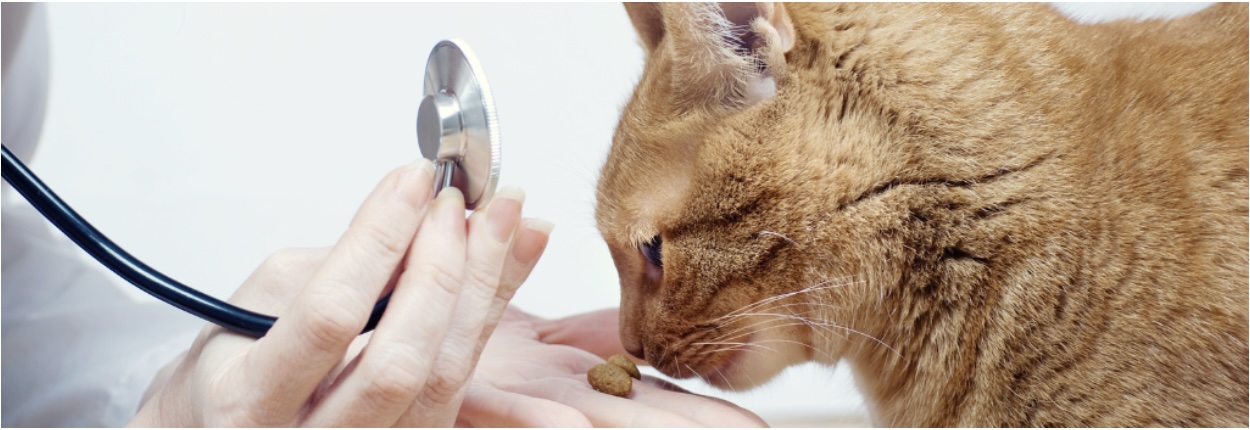
Cats are unique animals that have retained the behaviors of their wild ancestors, making them solitary survivors. They are territorial animals, and their behavior is closely linked to their physical and emotional health. Identifying and understanding these behaviors can prevent further health complications and ensure a better quality of life for the cat. It's important to recognize that cats often hide signs of illness or pain, so observing your pet's behavior isn't always enough to detect potential health issues. In the wild, a cat that appears outwardly injured or sick would be at risk from bigger predators, while being less likely to catch prey to provide for themselves. While our house cats don't usually have to defend themselves against predators, this behavior still remains deeply ingrained in many cats. This is why your veterinarian will combine what you observe at home with a thorough physical exam, evaluate their nutrition and environment, and may also recommend diagnostic testing such as blood work or x-rays. Putting all the different pieces of the puzzle together helps ensure we are looking at the whole picture of how best to care for your cat.
Keeping Your Cat Covered
Preventive care is essential for cats' health and longevity. Regular checkups, vaccinations, parasite prevention, nutrition and weight management, dental care, grooming, spaying/neutering, and environmental enrichment are all important aspects of preventive healthcare. By providing the necessary care and attention to your pet, you can help them live a long and fulfilling life. At North Powers Animal Hospital we offer comprehensive preventive care services to ensure that pets receive the best possible care at every part of their lives.
At North Powers Animal Hospital, your pet is our priority. If you have any questions, don't hesitate to call our team at (719) 212-1857, or you can email us at [email protected]. Our staff would love to talk with you!