If your dog needs a procedure that requires general anesthesia, you may be worried about how your pet will do under anesthesia. While this is a natural reaction, pet surgical procedures are performed daily at North Powers Animal Hospital, but anesthetic safety is always taken as a top priority. Anesthesia is administered with every precaution taken to ensure a safe and smooth experience and recovery for your dog. In this article, we will discuss the different types of anesthesia, dog breeds that may be more sensitive to anesthesia, what you need to know before your dog undergoes surgery, possible but rare complications of anesthesia, monitoring by the veterinarian to ensure your dog's safety, and what you need to watch for at home post-surgery.
What Are the Types of Anesthesia Used for Dogs?
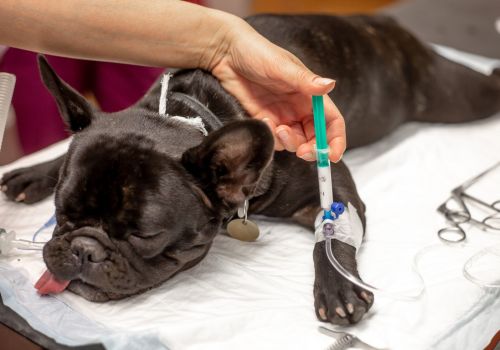 Anesthesia is a medication or combination of medications that ease a pet into unconsciousness for surgery, so they don't feel pain during the process. There are two types of anesthesia used on dogs: general anesthesia and local anesthesia.
- General Anesthesia: A combination of drugs that cause your pet to become unconscious and unresponsive for the duration of a medical procedure. This type of anesthesia keeps your pet still while they undergo a longer, more complicated procedure and prevents them from feeling pain or discomfort during the procedure.
- Local Anesthesia: Local anesthetic drugs are injected directly into the area being treated. It numbs only that specific body part, and your pet remains awake and alert during the treatment.
What Breeds Are More Sensitive to Anesthesia?
Certain dog breeds may react differently to anesthesia due to their genetic and anatomical differences. It's essential to note that while these breeds have an increased risk, anesthesia can still be safely and successfully administered with the necessary precautions. Breeds that are more sensitive to anesthesia include brachycephalic breeds (Pugs, Boston Terriers, Pekingese, Boxers, Bulldogs, and Shih Tzus), sighthounds (Greyhounds, Salukis, Italian Greyhounds, and Whippets), herding breeds (Shetland Sheepdogs and Australian Shepherds), giant breeds (Great Danes and St. Bernards), and toy breeds (Chihuahuas and Yorkies). Doberman Pinschers and Boxers may also have specific sensitivities to anesthesia.
Your pet's anesthesia plan is tailored to their specific needs; anesthesia is never a "one-size-fits-all" protocol. Pre-screening may be done before anesthesia through evaluation of a pre-operative EKG, lab work, and routine examinations. Our veterinary team also keep detailed notes on how your pet tolerates anesthesia to catch abnormalities as they happen, as well as to make recommendations for future anesthesia needs.
What Do Pet Owners Need to Know Before Anesthesia?
Prior to receiving anesthesia, a veterinarian will perform a thorough physical examination of your pet, review their medical history, and discuss any risk factors. Blood tests may also be conducted to check for any developing medical problems or anesthetic risks. Pets are given a pre-anesthetic sedative prior to their procedure when they are at the hospital to reduce stress and ease the process.
It is important for your pet's stomach to be empty before anesthesia as some anesthesia medications can cause vomiting, which can lead to aspiration pneumonia. Therefore, you should not feed your pet after 8:00 pm the evening before the anesthetic procedure. Water should be available throughout the night but should be taken away first thing in the morning. However, there are exceptions to this, especially in the case of puppies, kittens, or diabetic pets. Your team will notify you of any restrictions when we confirm your surgery time.
On the day of surgery, you should plan for your pet to be at the animal hospital for most of the day, with typical discharge times in the late afternoon. After their procedure, they are regularly checked, vital signs are taken, and their pain levels are evaluated to ensure that they are both safe and comfortable enough to go home. Some procedures may require overnight hospitalization. Post-surgery, your pet might not act "normal" due to the lingering effects of pain medication and anesthesia. This is typical and should be expected. The AVMA details what happens before, during, and after a pet anesthetic procedure.
What Are the Possible Complications of Anesthesia?
The overall anesthetic-related risk of death in dogs is low, at approximately 0.17%. Other notable complications include hypotension (low blood pressure), hypothermia (low body temperature), hypoxemia (low blood oxygen), and hypoventilation (respiratory depression). Other reported complications include regurgitation, aspiration pneumonia, corneal ulcers, and in cats, blindness.
However, outcomes are much better in patients under anesthesia who have adequate monitoring and a good understanding of that patient's overall health/disease condition. Having something as simple as an IV catheter and a breathing tube (endotracheal tube) makes a vital difference in emergency situations. Your pet has a dedicated team member whose sole job is ensuring they are doing well under anesthesia, while other team members work on surgical readiness or a dental cleaning.
A very special commitment to safety by the North Powers team is our annual anesthesia training and annual CPR training. The entire staff and doctors are trained yearly by our medical director on patient safety and how to respond in an emergency. Dr. Markel is certified by the RECOVER program in Basic and Advanced Life Support, which provides highly specialized training in emergencies requiring CPR. Studies show that outcomes during an anesthetic crisis improve significantly with a well trained/well organized team. We prepare for emergencies so that if they happen, we are ready to respond.
Anesthesia safety has improved significantly over the years due to better monitoring and the use of checklists to improve safety. While there are no 100% safe anesthetic agents or procedures available for pets, veterinarians do everything possible to minimize any risks your pet may face while under anesthesia by performing comprehensive pre-anesthesia testing and providing close monitoring during and after the procedure.
What Monitoring is Done By the Veterinarian to Ensure Safety?
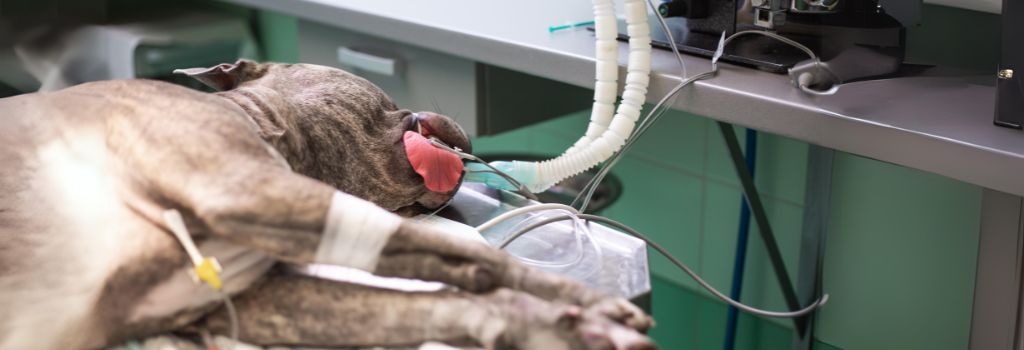
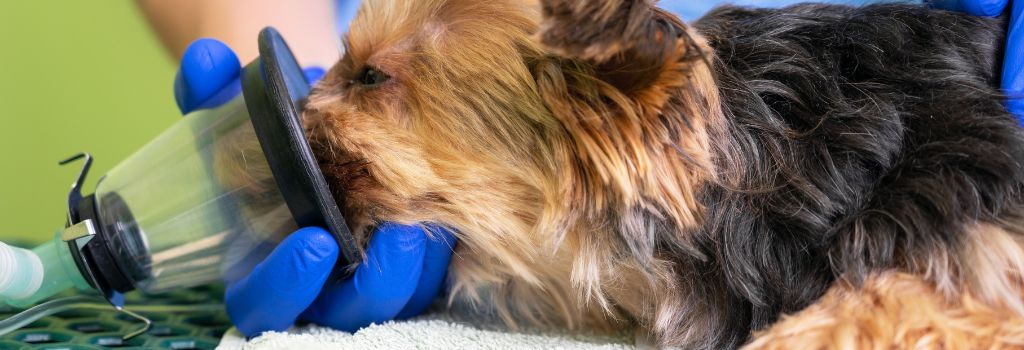
Today, modern monitoring devices are used together with our expert staff to keep your pet safe under anesthesia. Veterinary professionals are highly trained to monitor your pet's heart rate, blood pressure, breathing rate, oxygen levels, temperature, and other vital signs using a combination of electronic monitoring of EKGs, blood pressures, and pulse oximetry, as well as manual measurements to ensure accuracy. Every 2 minutes, the entire team is told your patient's vitals, to ensure your pet's safety and improve team communication. They also provide positive-pressure ventilation with an inhalant anesthetic agent when necessary. This is especially important for pets with respiratory or cardiac diseases that can be worsened by the effects of general anesthesia.
What Do Pet Owners Need to Watch for Post-Anesthesia?
Once your pet is back home, it's important to provide a warm and quiet environment with access to clean drinking water. Food intake should be monitored with small portions decreasing the risk of nausea and vomiting. Your dog's activities need to be restricted as directed, usually for 2 weeks to avoid straining the wound, including running, jumping, and other strenuous activities.
In some cases, the vet may recommend cage rest, where the pet should be kept in a cage large enough for its bed and food/water bowls but not so large that it can over-exert itself. This rest helps the pet recover without risking injury or strain.
It's also important to watch for signs of complications such as extreme tiredness or inability to stand, low energy for over 48 hours, pain or discomfort, issues with toileting, redness, swelling, bleeding, or discharge around the wound. These could be signs of infection or other complications that require immediate veterinary attention.
Conclusion
Anesthesia is a crucial part of many pet medical procedures, with a combination of intensive training and modern monitoring devices ensuring your dog's safety. The team of veterinary professionals at North Powers Animal Hospital will do everything possible to minimize risks your dog may face while under anesthesia by performing comprehensive pre-anesthesia testing and providing close monitoring during and after the procedure.
If you live in or near Colorado Springs, CO, and are looking for quality pet care, come visit us at North Powers Animal Hospital where your pet is our priority. Contact us at (719) 212-1857 to set an appointment, or email us at [email protected]. Our staff would love to talk with you!